
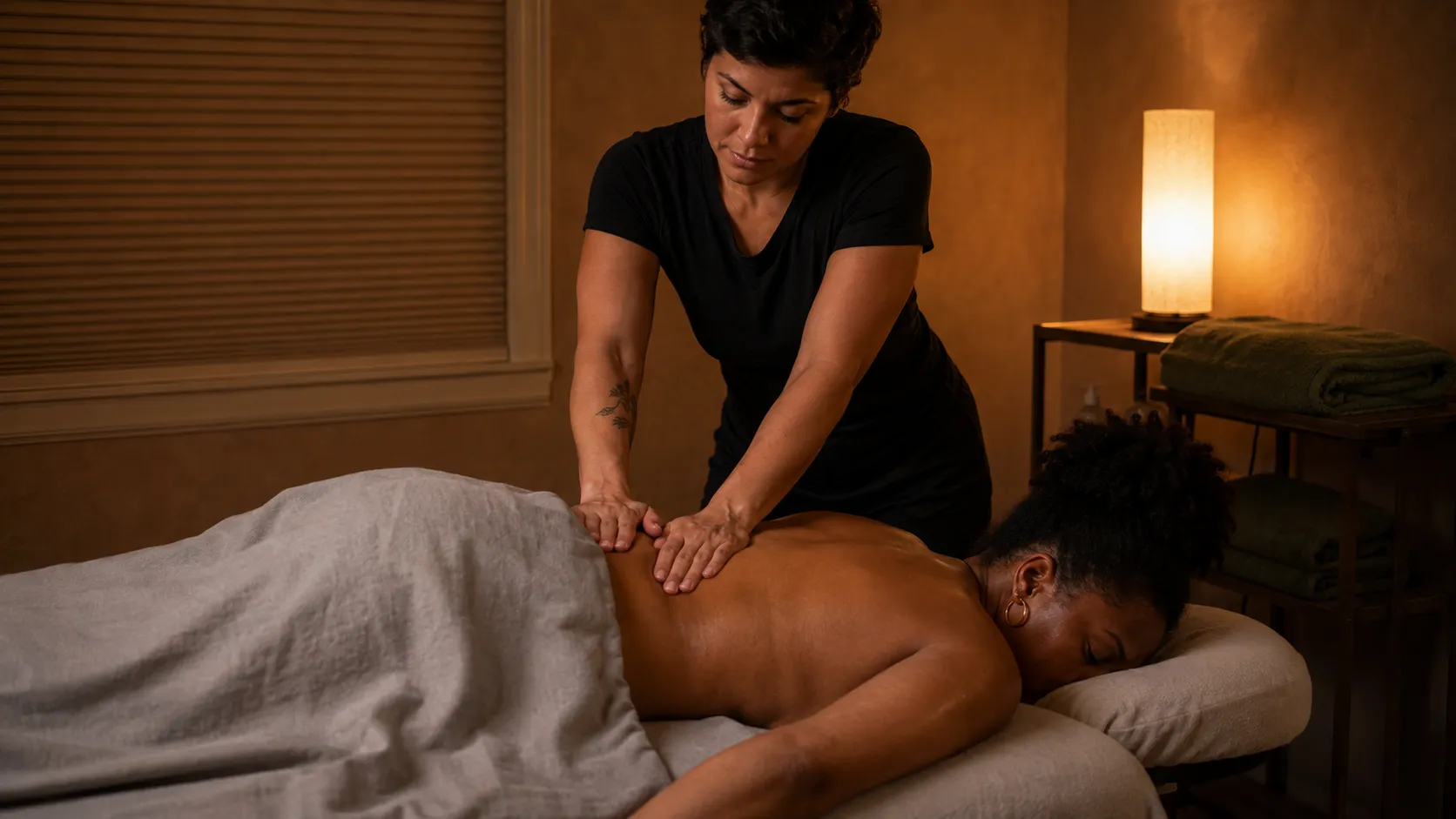
Lying awake at 2am, mind racing, body somehow both exhausted and tense if this sounds familiar, you’re far from alone. Millions of people deal with occasional or chronic insomnia, and many are turning to massage for insomnia and sleep relief as a natural complement to their routine. But can hands-on bodywork really change how you sleep? Here’s what the research says, how massage may help, and which techniques are worth trying.
Why Sleep and Stress Are So Connected
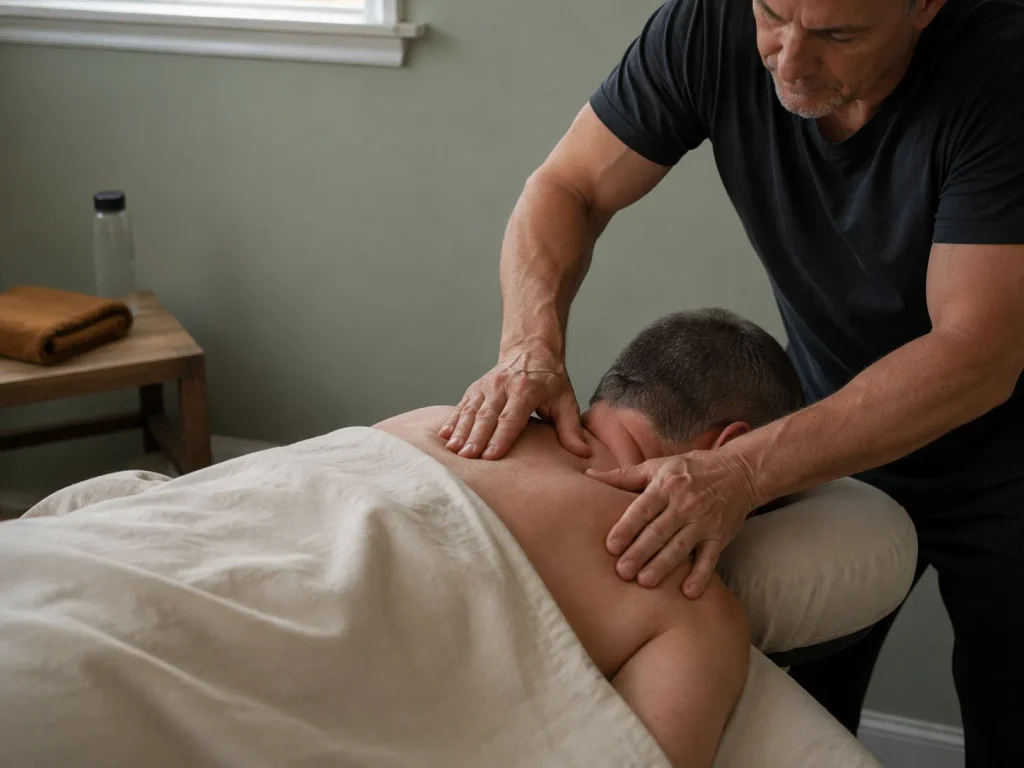
Insomnia is rarely just about the hours you spend in bed. It’s often tied to an overactive stress response a nervous system stuck in a heightened, alert state even when your body needs to wind down. Racing thoughts, muscle tension, and elevated cortisol can all make it harder to fall asleep and stay asleep.
Massage therapy targets this stress response directly. By calming the nervous system and easing physical tension, it may help create the physiological conditions your body needs to actually rest.
What the Research Says About Massage and Sleep
Several studies have looked at massage therapy’s impact on sleep quality, with results that are promising, if not universally conclusive:
- Increased serotonin, the precursor to melatonin. Massage has been linked to boosts in serotonin, which the body converts into melatonin the hormone that regulates your sleep-wake cycle.
- Reduced cortisol levels. Lower stress hormone levels after massage may make it easier for the body to shift into a restful state.
- Improved sleep quality in specific populations. Studies on groups such as older adults, cancer patients, and people with chronic pain have shown improved self-reported sleep quality following regular massage.
- Activation of the parasympathetic nervous system. Massage is associated with shifting the body out of fight-or-flight mode and into ‘rest and digest’ mode, which supports the transition into sleep.
Much of the existing research is on smaller or specific populations, so massage shouldn’t be viewed as a guaranteed fix for chronic insomnia but the physiological mechanisms it activates are well-aligned with what supports healthy sleep.
Massage Techniques That May Help with Sleep
| Technique | How It Supports Sleep |
| Swedish massage | Calms the nervous system with slow, flowing strokes |
| Aromatherapy massage | Combines touch with calming scents like lavender |
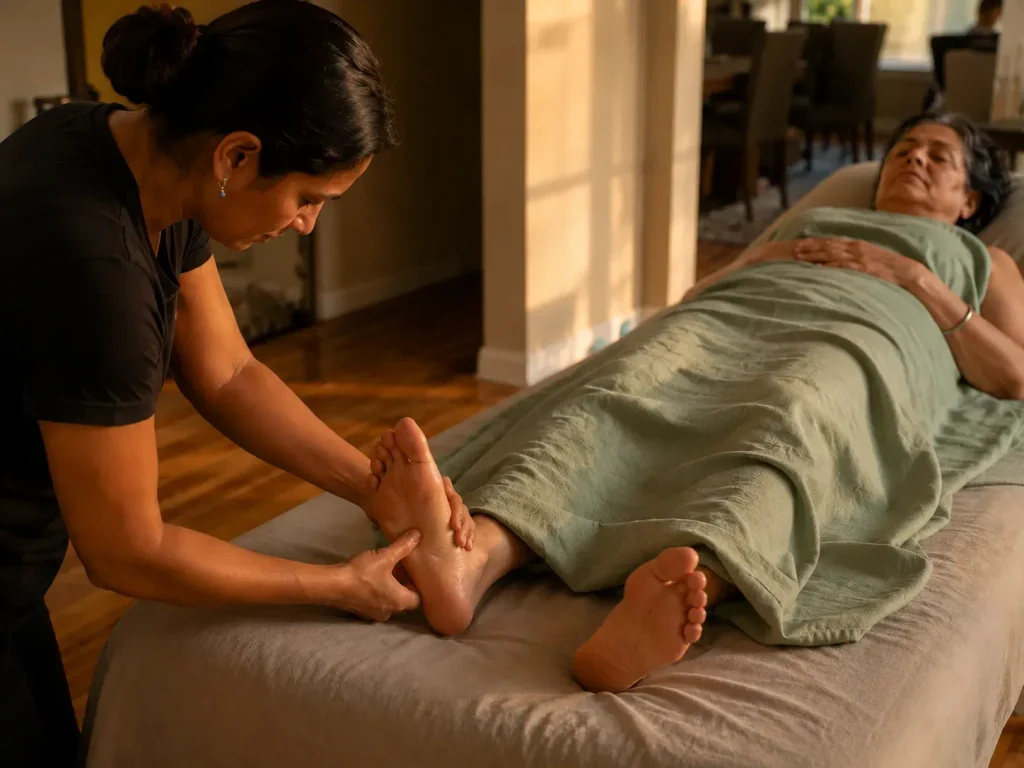
| Foot and scalp massage | Simple, accessible techniques linked to relaxation and reduced tension |
| Craniosacral therapy | Very gentle touch that some find deeply calming before bed |
| Myofascial release | Eases chronic tension that can interfere with comfortable rest |
The best technique depends on your body and what’s driving your sleep issues whether it’s stress, physical tension, or both.
the Sommnest to get matched with a licensed therapist who can tailor a session to help you actually unwind.
Tips for Getting the Most Sleep-Supporting Benefit from Your Massage
- Schedule your session for the evening when possible. A massage closer to bedtime may help you carry that relaxed state directly into sleep.
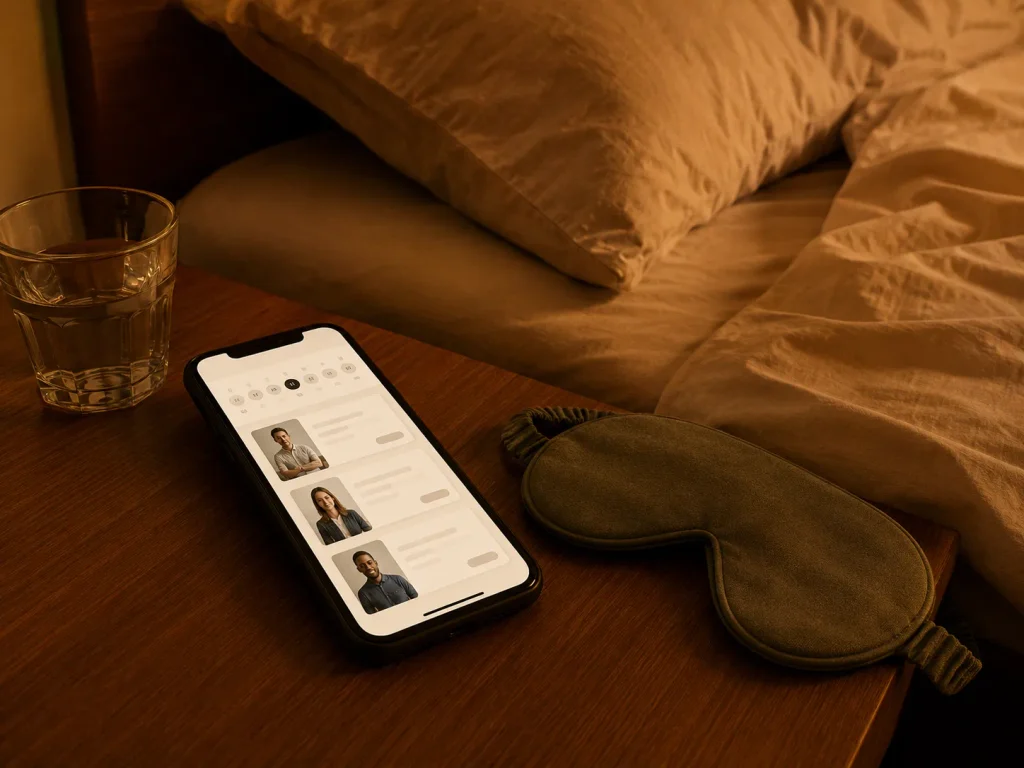
- Avoid screens immediately afterward. Give your calmed nervous system a chance to stay that way skip the phone scroll on the way home.
- Stay hydrated, but avoid heavy meals right before. A lighter stomach and good hydration support better rest.
- Communicate your goal to your therapist. Let them know sleep is your main focus so they can adjust pressure and pacing accordingly.
- Pair massage with consistent sleep habits. Massage works best as part of a broader routine consistent bedtime, reduced caffeine, and a calming wind-down period.
When Massage Alone Isn’t Enough
Massage therapy can be a valuable tool for occasional sleeplessness or stress-related insomnia, but it isn’t a substitute for medical care when sleep problems are severe or persistent. Consider talking to a doctor if you experience:
- Insomnia lasting more than a few weeks despite lifestyle changes
- Loud snoring, gasping, or pauses in breathing during sleep (possible signs of sleep apnea)
- Daytime exhaustion that significantly affects your work or safety
- Sleep issues tied to a diagnosed medical or mental health condition
In these cases, massage can still be a helpful complement, but it should be part of a broader plan developed with a healthcare provider.
Frequently Asked Questions
Q1: Can massage therapy cure insomnia?
No. Massage may help reduce stress and physical tension that contribute to poor sleep, but it isn’t a cure for chronic or clinical insomnia. It works best as a complementary tool alongside good sleep habits and, when needed, medical treatment.
Q2: What time of day is best for a sleep-focused massage?
Many people find an evening session most beneficial, since it allows the relaxed, calm state to carry directly into bedtime. That said, any time that fits your schedule can still offer stress-reducing benefits.
Q3: How often should I get a massage to improve my sleep?
There’s no single answer, but many people find that regular sessions roughly every 2–4 weeks help maintain lower stress levels that support more consistent sleep over time.
Q4: Is massage safe if I have trouble sleeping due to anxiety?
Generally, yes. Gentle techniques like Swedish massage are often well-suited for anxiety-related sleep issues. If you have a diagnosed anxiety disorder, it’s worth mentioning to your therapist so they can adjust their approach.
Q5: Which is better for sleep: deep tissue or a gentler massage?
For sleep specifically, gentler techniques like Swedish massage or aromatherapy tend to be more effective, since the goal is calming the nervous system rather than intense muscle work, which can sometimes feel stimulating rather than relaxing.
Final Thoughts
If stress and tension are standing between you and a good night’s sleep, massage therapy may be worth adding to your routine. If you’re ready to find a therapist who can help you actually unwind, Sommnest to get matched with a licensed professional, or
download the Sommnest app to book your session today.