

Anxiety doesn’t just live in your head it shows up in your body. Tight shoulders, a racing heart, shallow breathing, clenched jaw. It makes sense that many people turn to massage therapy for anxiety relief, hoping a calmer body might lead to a calmer mind. But does the science actually back this up, or is it just a nice feeling in the moment? In this guide, we’ll look at what research says about massage and anxiety, how it may help, and where its limits are.
The Body-Mind Connection Behind Anxiety
Anxiety triggers the body’s stress response the same fight-or-flight system that spikes cortisol, tightens muscles, and speeds up your heart rate. Chronic anxiety keeps this system activated longer than it should be, which is part of why anxious people often carry physical tension in the neck, shoulders, and jaw without realizing it.
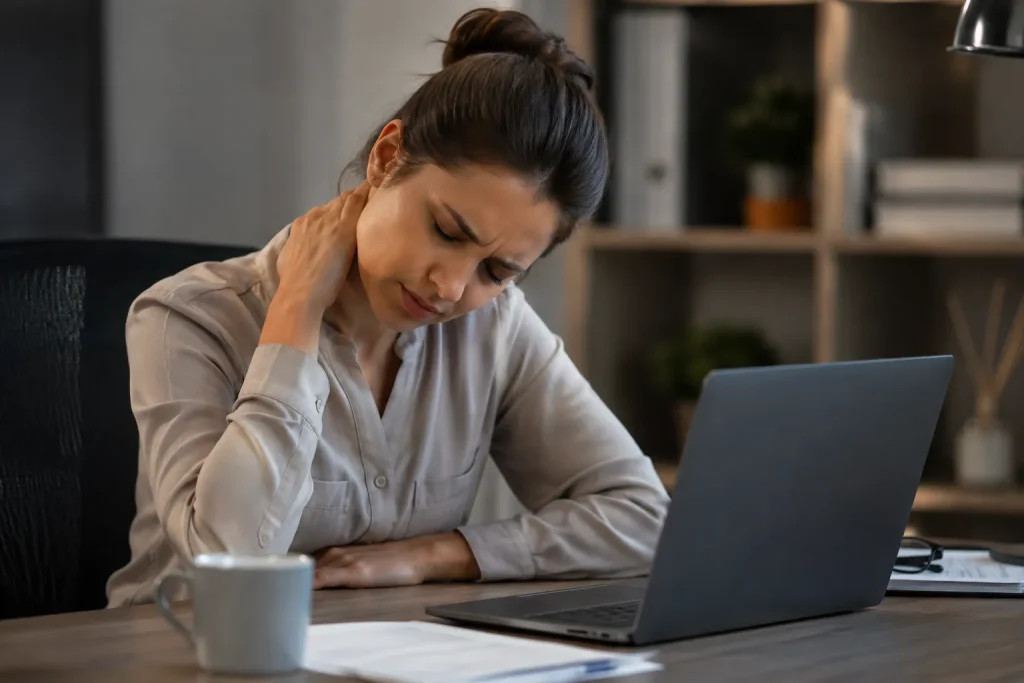
Massage therapy works on this physical layer directly. By calming the nervous system and easing muscular tension, it may help interrupt the stress-tension feedback loop, even if it doesn’t address the root psychological cause of anxiety on its own.
What the Research Actually Says
Multiple studies have explored massage therapy’s effect on anxiety, with encouraging though not definitive results:
- Lower cortisol levels. Several studies have found reduced cortisol (a key stress hormone) after massage sessions, alongside increased serotonin and dopamine.
- Reduced state anxiety. Research using standardized anxiety scales has shown short-term reductions in anxiety symptoms immediately following massage sessions.
- Improved heart rate variability. Some studies link massage to a more balanced autonomic nervous system response, which is associated with better stress regulation.
- Mixed results for long-term anxiety disorders. While massage shows promise for situational or mild anxiety, evidence for treating diagnosed anxiety disorders (like GAD) as a standalone treatment is still limited.
The takeaway: massage therapy appears to meaningfully reduce short-term anxiety symptoms and physical stress markers, but it works best as a complement to not a replacement for therapy, medication, or other treatment when anxiety is clinically diagnosed.
How Massage May Help With Anxiety
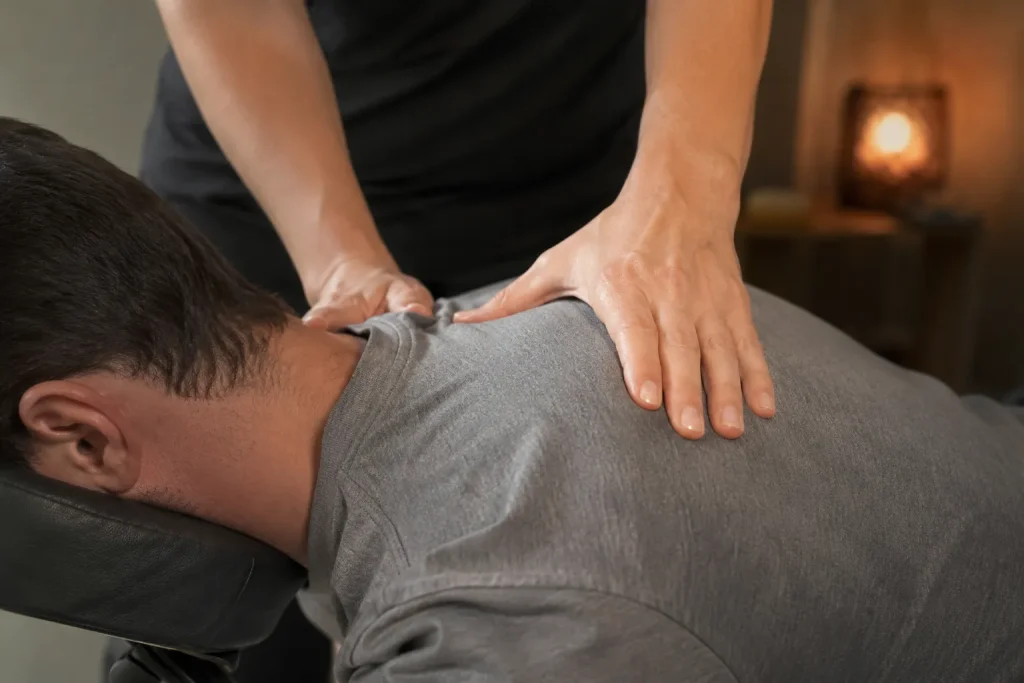
| Mechanism | How It May Help Anxiety |
| Lower cortisol | Reduces the body’s physical stress response |
| Increased serotonin/dopamine | Supports mood regulation |
| Muscle tension relief | Eases physical symptoms like tight shoulders and jaw |
| Parasympathetic activation | Shifts body out of fight-or-flight mode |
| Improved sleep | Poor sleep and anxiety often reinforce each other |
If anxiety is showing up as physical tension for you, a therapist who specializes in stress-focused sessions can make a real difference.
Take the Sommnest quiz to get matched with a licensed therapist experienced in calming, stress-reducing techniques.
What Type of Massage Is Best for Anxiety?
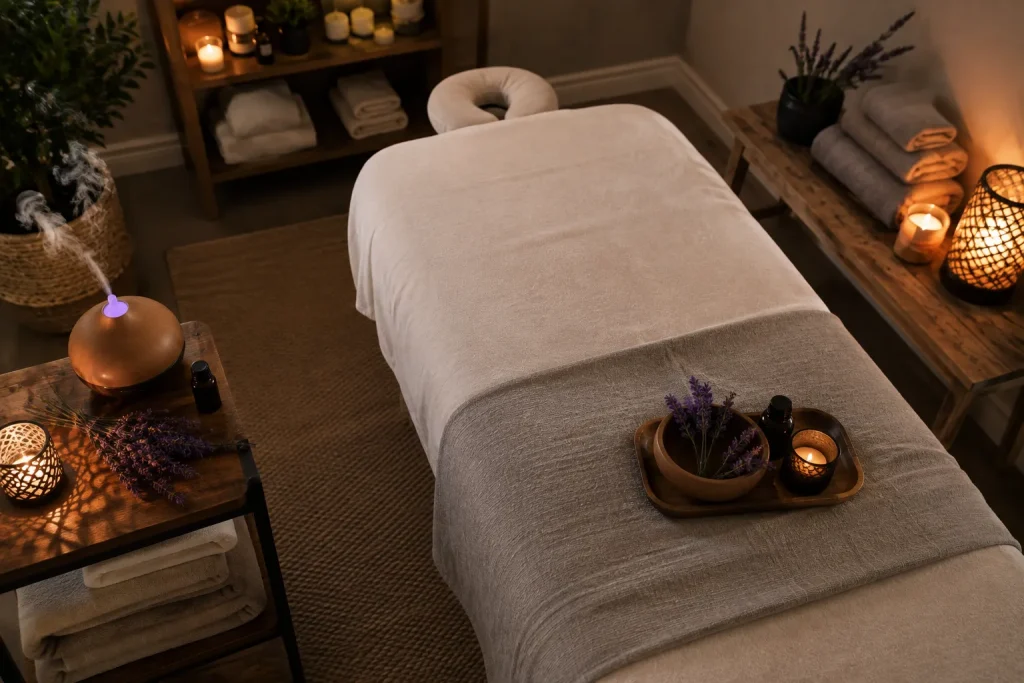
Not all massage styles are equally suited to anxiety relief. Gentle, slower-paced techniques tend to work best:
- Swedish massage. Long, flowing strokes are specifically designed to calm the nervous system often the best starting point.
- Aromatherapy massage. Combines massage with calming scents like lavender, which some studies link to added anxiety reduction.
- Craniosacral or gentle touch therapy. Very light pressure techniques that some people find especially calming for anxiety and overstimulation.
- Avoid overly intense deep tissue work if anxiety is your primary goal firm, uncomfortable pressure can sometimes increase tension rather than ease it.
Massage Therapy vs. Other Anxiety Treatments
| Approach | What It Targets | Best Used As |
| Massage therapy | Physical tension, cortisol, short-term calm | Complementary support |
| Talk therapy (CBT, etc.) | Thought patterns, root causes | Primary treatment |
| Medication | Neurochemical regulation | Primary treatment (as prescribed) |
| Exercise | Stress hormones, mood chemicals | Complementary support |
Massage therapy isn’t meant to replace clinical treatment for diagnosed anxiety disorders. If your anxiety is persistent, severe, or interfering with daily life, talk to a licensed mental health professional massage can be a helpful addition to that care, not a substitute for it.
Frequently Asked Questions
Q1: Can massage therapy cure anxiety?
No. Massage therapy may help reduce physical symptoms and short-term anxiety, but it isn’t a cure for anxiety disorders. It works best alongside therapy, medication, or other treatment recommended by a healthcare provider.
Q2: How often should I get a massage for anxiety relief?
There’s no universal answer, but many people find that regular sessions every 2–4 weeks help maintain lower stress levels over time compared to occasional one-off sessions.
Q3: What does the research say about massage and cortisol?
Several studies have found that massage therapy is associated with reduced cortisol levels and increased serotonin and dopamine, supporting its role in short-term stress and anxiety reduction.
Q4: Is massage therapy safe if I have an anxiety disorder?
For most people, yes. Massage is generally safe and well-tolerated. However, if you have a diagnosed anxiety disorder, it’s a good idea to loop in your therapist or doctor about adding massage to your care plan, especially if touch or physical closeness is a sensitive topic for you.
Q5: What if I feel anxious about getting a massage itself?
This is common, especially for first-timers. Communicate this with your therapist beforehand they can adjust the environment, explain each step, and choose a gentler approach to help you feel more at ease.
Final Thoughts
The research is clear on one thing: massage therapy can meaningfully ease the physical symptoms of anxiety, even if it isn’t a standalone cure. If you’re carrying stress in your body and want a calming, therapist-matched approach, take the Sommnest quiz to find the right fit for you, or
download the Sommnest app to book your session today.