

You stretch it out, it feels better for a day or two, and then it’s back that tight, nagging ache at the base of your skull or across your shoulders. If this cycle sounds familiar, you’re dealing with one of the most common complaints massage therapists hear. Massage therapy for neck pain can offer real relief, but understanding why the pain keeps returning is the key to actually breaking the cycle instead of just temporarily numbing it. Here’s what’s really going on, and how the right massage approach can help.
Why Neck Pain Keeps Coming Back
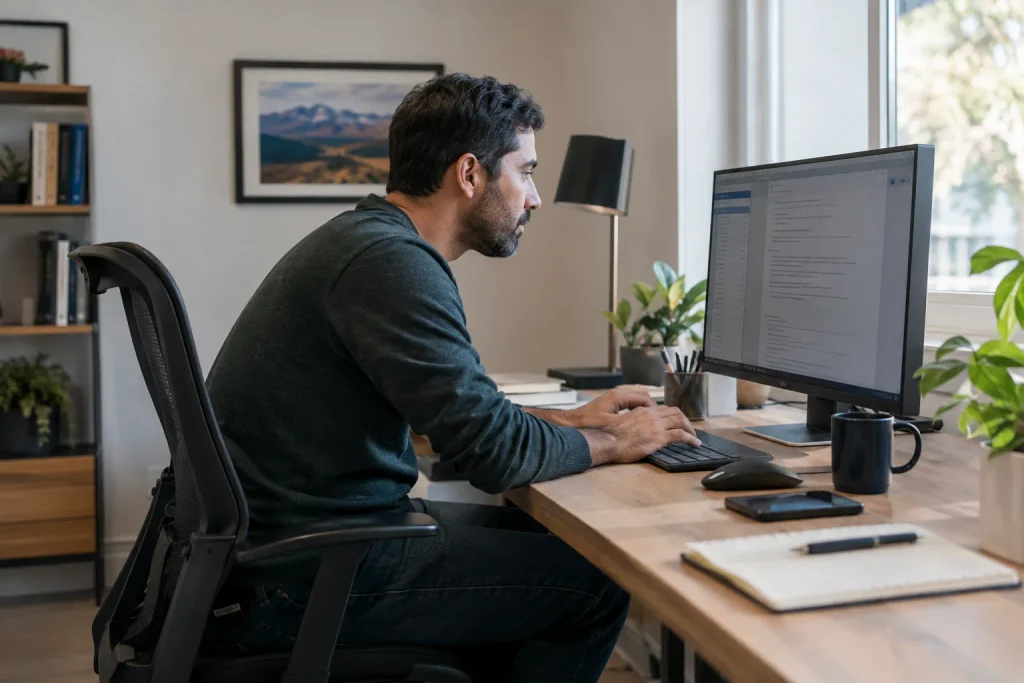
Neck pain that recurs, rather than resolving, usually isn’t random. It’s typically the result of a repeating pattern your body falls back into:
- Forward head posture. Hours spent looking down at phones and screens pull the head forward, straining the muscles at the base of the skull and upper back.
- Desk setup and screen height. A monitor positioned too low or too high forces the neck into an unnatural angle for hours at a time.
- Stress-related muscle guarding. Many people unconsciously tense their shoulders and neck during stressful periods, creating chronic tightness that never fully resolves.
- Sleep position and pillow support. An unsupportive pillow or an awkward sleep position can undo any progress made during the day.
- Underlying muscle imbalances. When certain neck and upper back muscles are chronically tight while others are weak, the pain often returns because the underlying imbalance was never addressed only the symptom was.
This is why occasional stretching or a single massage often provides only short-term relief: the pattern causing the tension is still in place.
How Massage Therapy Helps Break the Cycle
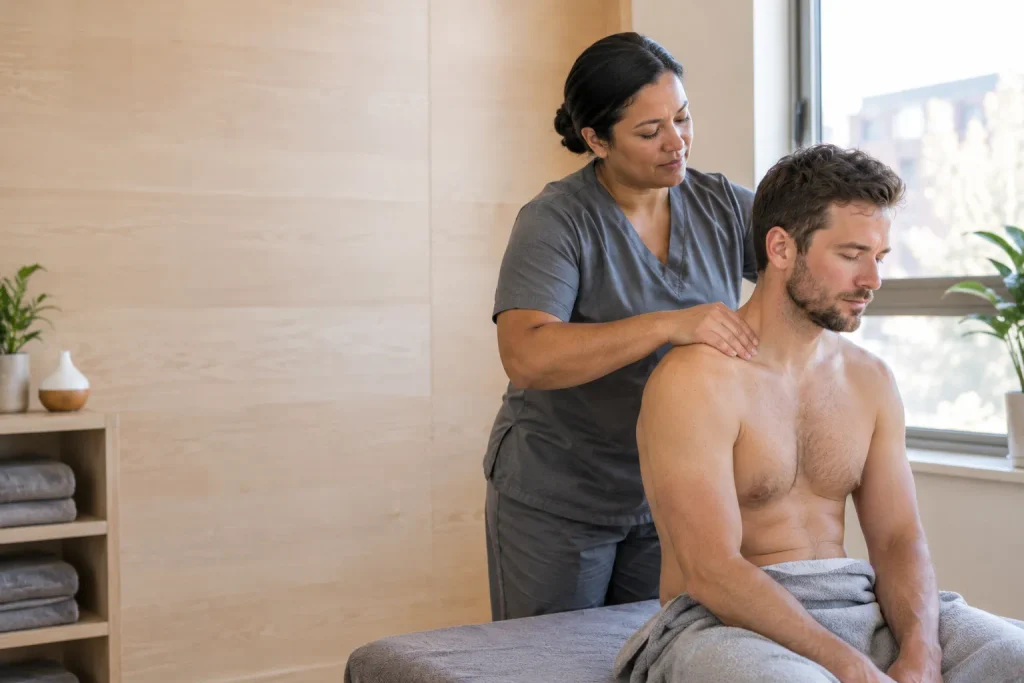
Rather than just easing pain in the moment, targeted massage therapy can help address the underlying patterns that keep bringing neck pain back.
- Releasing chronically tight muscles. Techniques like trigger point therapy and deep tissue work can release the specific muscles — often the upper trapezius, levator scapulae, and suboccipitals that tend to hold tension from posture and stress.
- Improving circulation to the area. Increased blood flow may help reduce the buildup of tension and support the muscle’s ability to relax and recover.
- Increasing awareness of tension patterns. Many people don’t realize how tightly they’re holding their shoulders until a therapist points it out — this awareness alone can help you catch and release tension earlier in the day.
- Complementing postural correction. Massage works best alongside not instead of addressing the root cause, whether that’s desk ergonomics, sleep setup, or stress management.
A single session can ease acute discomfort, but breaking a recurring cycle typically requires a combination of regular massage and changes to the habits creating the tension in the first place.
Massage Techniques That Work Best for Neck Pain
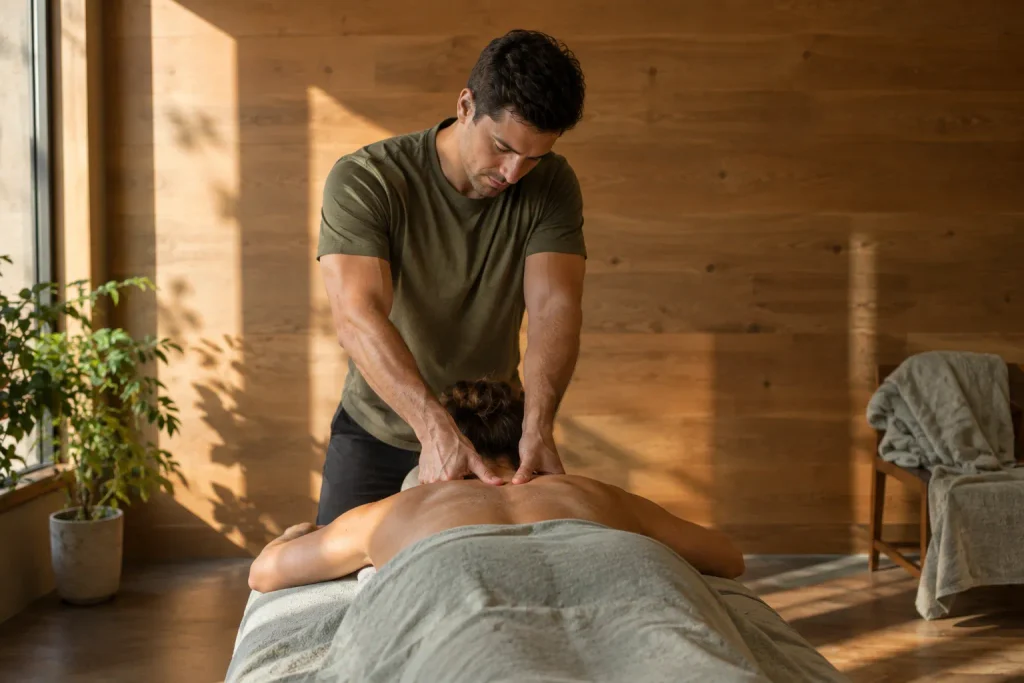
| Technique | Why It Helps |
| Trigger point therapy | Targets specific knots that refer pain into the head and shoulders |
| Deep tissue massage | Releases chronically tight muscles at the base of the skull and upper back |
| Myofascial release | Eases tension patterns in the connective tissue around the neck and shoulders |
| Swedish massage (as a complement) | Calms the nervous system, reducing stress-related muscle guarding |
Not every therapist has deep experience with recurring neck pain specifically. If you’re tired of the cycle,
take the Sommnest quiz to get matched with a licensed therapist who knows how to target the muscles actually driving your pain.
Simple Habits That Help Massage Results Last Longer
- Adjust your screen height. Your monitor or phone should sit at eye level to reduce the forward-head strain that builds tension over the day.
- Take movement breaks. Even a minute of gentle neck rolls or shoulder rolls every hour can prevent tension from settling in.
- Reassess your pillow. A pillow that doesn’t support your neck’s natural curve can undo the benefits of a massage overnight.
- Notice stress-related tensing. Build a habit of periodically checking in are your shoulders creeping up toward your ears? Consciously releasing them can prevent chronic buildup.
- Space out your sessions. Regular massage, rather than one-off visits only when pain flares, tends to keep recurring tension from fully re-establishing itself.
When Neck Pain Needs More Than Massage
Massage therapy is often effective for tension-related neck pain, but it isn’t the right first step for every situation. See a doctor before booking if you experience:
- Numbness, tingling, or weakness radiating down your arm
- Neck pain following a car accident, fall, or other trauma
- Pain that’s severe, sudden, or accompanied by fever or headache
- Symptoms that haven’t improved after several weeks of regular self-care
For most people dealing with posture- or stress-related neck tension, massage is a safe and effective option but it’s always worth ruling out a more serious underlying cause first.
Frequently Asked Questions
Q1: How often should I get a massage for chronic neck pain?
It depends on the severity and cause, but many people managing recurring neck tension find that sessions every 2–4 weeks help keep the cycle from fully re-establishing itself, especially when paired with postural changes.
Q2: Can bad posture really cause neck pain that keeps coming back?
Yes. Prolonged forward head posture, especially from screen use, is one of the most common drivers of recurring neck pain. Without addressing the posture itself, massage tends to provide only temporary relief.
Q3: What’s the difference between a massage for acute vs. chronic neck pain?
Acute neck pain (a recent strain or stiff neck) often responds well to a single session of gentler, more general massage. Chronic, recurring neck pain usually benefits more from targeted techniques like trigger point therapy over a series of sessions, combined with habit changes.
Q4: Can stress alone cause neck pain even without bad posture?
Yes. Many people unconsciously tense their neck and shoulder muscles during periods of stress, which can create chronic tightness and pain even with otherwise good posture.
Q5: Is it normal for neck pain to feel worse the day after a deep tissue massage?
Mild soreness for 24–48 hours after a deep tissue session is common, similar to how muscles feel after a workout. If pain feels sharp, worsening, or doesn’t improve after a couple of days, follow up with your therapist or a doctor.
Final Thoughts
Neck pain that keeps coming back is usually a sign of an underlying pattern, not bad luck. The right massage approach paired with a few habit changes can help you finally break the cycle. If you’re ready to find a therapist who specializes in recurring tension, take the Sommnest quiz to get matched, or
download the Sommnest app to book your session today.