

Massage therapy involves a level of trust most services don’t you’re inviting someone into your personal space for hands-on care. That’s exactly why knowing how to find a licensed massage therapist matters, not just for the quality of your session, but for your safety and peace of mind. Licensing exists to protect you, but not everyone advertising ‘massage services’ online is properly credentialed. Here’s exactly what to check before you book.
Why Licensing Actually Matters
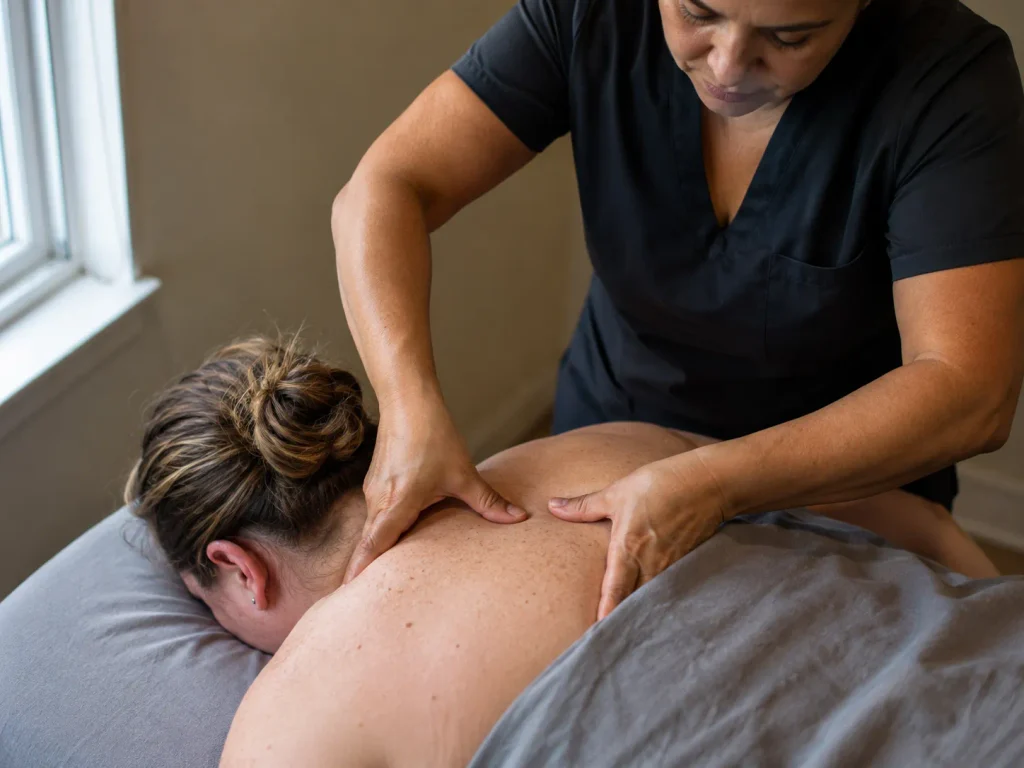
In the U.S., licensed massage therapists (LMTs) are required to complete accredited training typically 500 to 1,000+ hours depending on the state covering anatomy, physiology, pathology, and hands-on technique. They also pass a state or national exam and must renew their license periodically through continuing education.
This training isn’t just a formality. It means a licensed therapist understands how to work safely around injuries, medical conditions, pregnancy, and areas of the body that require caution. Working with an unlicensed provider skips all of that and puts the responsibility for your safety entirely on guesswork.
How to Verify a Massage Therapist Is Actually Licensed
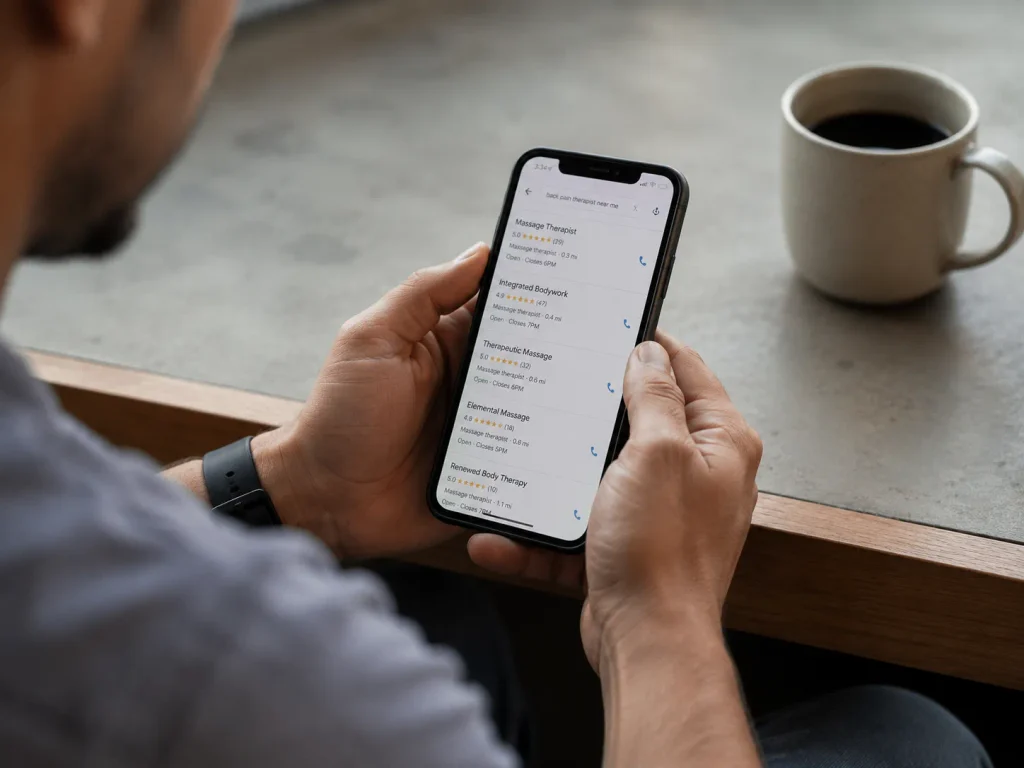
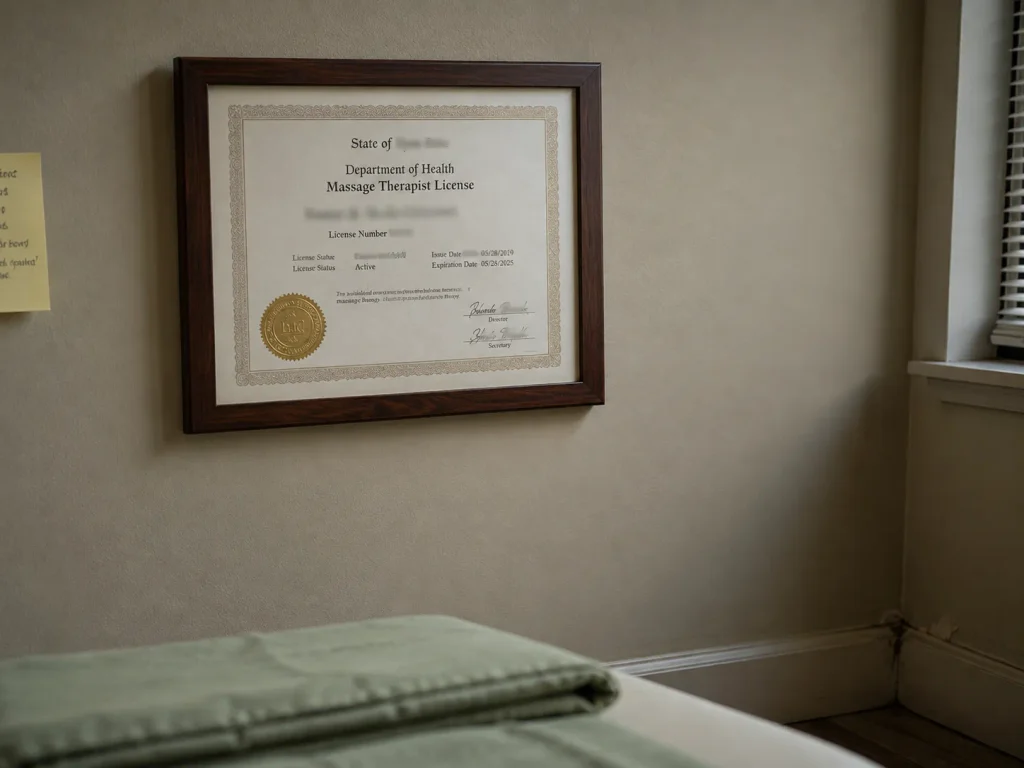
- Ask for their license number directly. A licensed therapist should be able to provide this without hesitation. If they seem evasive, that’s a red flag.
- Check your state licensing board’s website. Most U.S. states have a public database where you can search a therapist’s name or license number to confirm it’s active and in good standing.
- Look for credentials from accredited schools. Ask where they trained reputable programs are typically accredited by organizations like COMTA (Commission on Massage Therapy Accreditation).
- Confirm liability insurance. Most licensed therapists carry professional liability insurance, which adds another layer of accountability.
- Use a platform that pre-verifies credentials. Rather than doing this legwork yourself every time, booking through a platform that verifies licenses upfront saves time and adds a layer of built-in trust.
Red Flags to Watch For
Not every provider advertising massage services online is who they claim to be. Watch for these warning signs:
- Vague or missing credentials. No license number, no mention of training, or refusal to answer questions about certification.
- Prices that seem too good to be true. Extremely low rates can sometimes signal an unlicensed or under-qualified provider.
- No professional online presence. Legitimate therapists typically have reviews, a business profile, or a presence on a verified booking platform.
- Pressure to book outside a verified platform. Be cautious of providers who push you toward off-platform payment or contact before you’ve confirmed their credentials.
- Services that don’t match a therapeutic massage. If the language or offering feels inconsistent with professional massage therapy, trust your instincts and look elsewhere.
What a Verified Booking Platform Should Offer
| Feature | Why It Matters |
| Upfront license verification | Removes the guesswork of checking credentials yourself |
| Visible specialties and experience | Helps you match a therapist to your specific needs |
| Client reviews tied to real bookings | Reduces fake or manipulated reviews |
| Secure, on-platform payment | Protects you and creates accountability |
| Clear cancellation and safety policies | Sets expectations before you ever meet your therapist |
This is exactly why Sommnest verifies every therapist’s license before they’re able to accept bookings.
Take the Sommnest quiz to get matched with a licensed therapist whose credentials have already been checked for you.
Questions to Ask Before Your First Session
- What is your license number, and which state issued it?
- How many years have you been practicing, and do you specialize in a particular technique or condition?
- Do you carry liability insurance?
- What should I expect during intake, and how do you handle health conditions or injuries?
- What is your cancellation and rescheduling policy?
A licensed, professional therapist will answer these questions clearly and without hesitation. Hesitation or vague answers are worth paying attention to.
Frequently Asked Questions
Q1: How can I check if a massage therapist is licensed in my state?
Most U.S. states maintain a public licensing board database where you can search by name or license number to confirm a therapist’s credentials are active and in good standing. A quick web search for ‘[your state] massage therapy licensing board’ will point you to the right site.
Q2: Is it illegal to get a massage from an unlicensed person?
Laws vary by state, but in most U.S. states, providing professional massage therapy without a license is illegal for the provider. As the client, you’re not breaking the law, but you take on more risk since unlicensed providers aren’t held to the same training or safety standards.
Q3: What’s the difference between certified and licensed?
Certification typically means someone completed a specific training course, while licensing is a legal credential issued by a state board after meeting education and exam requirements. Licensing carries more regulatory weight and accountability than certification alone.
Q4: Do mobile or in-home massage therapists need to be licensed too?
Yes. Licensing requirements apply regardless of whether the massage takes place in a spa, clinic, or your home. Always verify credentials before booking an in-home session, since there are fewer built-in safeguards than a traditional business location.
Q5: How do I know if a booking platform actually verifies licenses?
Look for explicit language about license verification in the platform’s process, FAQ, or trust and safety pages. If it isn’t clearly stated, it’s worth asking directly before booking.
Final Thoughts
Finding a licensed massage therapist you can trust doesn’t have to mean doing all the verification work yourself. If you’d rather skip the research and book with confidence, take the Sommnest to get matched with a pre-verified, licensed therapist, or
download the Sommnest app to book your session today.