

If you’ve never had a professional massage before, the sheer number of options can feel overwhelming. Deep tissue, hot stone, sports massage where do you even start? For most first-timers, the answer is Swedish massage: a gentle, full-body technique built on long, flowing strokes designed to ease tension and calm your nervous system. It’s often the entry point into massage therapy for good reason. In this guide, we’ll break down exactly what Swedish massage does for your body, who benefits most, and how to know if it’s the right first step for you.
What Is Swedish Massage?
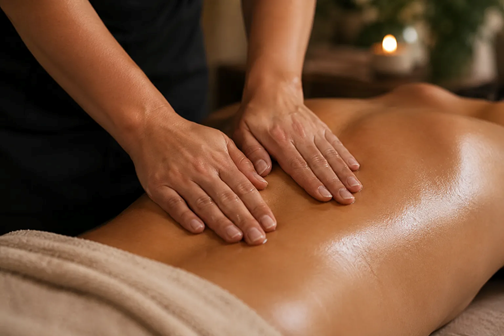
Swedish massage is a full-body technique that uses long gliding strokes, kneading, and gentle circular movements to relax muscles and improve circulation. Unlike deep tissue work, it applies lighter to medium pressure, making it approachable even if you’ve never been touched by a massage therapist before.
Developed in the 19th century, Swedish massage remains one of the most requested massage styles in the U.S. today and it’s the foundation most other massage techniques build on.
Top Swedish Massage Benefits

Swedish massage isn’t just relaxing in the moment research suggests it may offer real physiological benefits.
- Reduced stress and cortisol levels. Studies have linked massage therapy to lower cortisol (the body’s primary stress hormone) and increased serotonin and dopamine, which support mood regulation.
- Better circulation. The long strokes used in Swedish massage may help stimulate blood flow, delivering oxygen and nutrients to tissues more efficiently.
- Muscle tension relief. Many people experience looser, less tense muscles after a session, particularly in the shoulders, neck, and lower back.
- Improved sleep quality. By calming the nervous system, Swedish massage may help some people fall asleep faster and sleep more soundly.
- Lower blood pressure. Some research suggests regular massage may contribute to modest reductions in blood pressure over time.
It’s worth noting that massage is not a cure for medical conditions. If you’re managing a diagnosed health issue, talk to your doctor before adding massage to your routine.
Who Should Try Swedish Massage?
Swedish massage tends to be the best fit for:
| Who You Are | Why It Works |
| First-time massage clients | Gentle pressure, low intimidation |
| People managing everyday stress | Calms the nervous system |
| Those with mild muscle tension | Loosens without deep discomfort |
| Anyone wanting better sleep | Promotes relaxation before bed |
| People easing into bodywork | A gateway to deep tissue or sports massage later |
If you’re dealing with chronic pain, sciatica, or a sports injury, a deep tissue or sports massage may serve you better. A good way to figure out what your body actually needs is to take the Sommnest quiz it matches you to the right massage type and therapist based on your specific goals.
What to Expect During a Swedish Massage Session
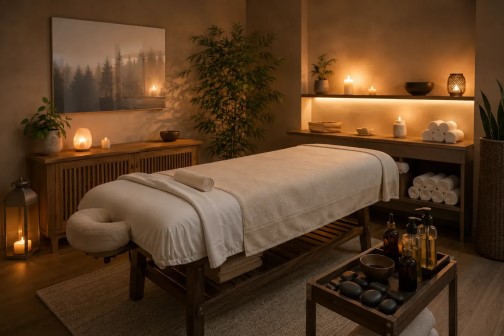
- Consultation. Your therapist will ask about problem areas, pressure preference, and any health concerns.
- Setup. You’ll undress to your comfort level under a sheet or towel in a private, quiet room.
- The massage. Expect long strokes (effleurage), kneading (petrissage), and light tapping across the back, legs, arms, neck, and shoulders.
- Pressure check-ins. A good therapist will check in on pressure throughout speak up if you want it lighter or firmer.
- Aftercare. Drink water, move slowly when you get up, and give yourself a few minutes before jumping back into your day.
A typical session runs 60–90 minutes, though shorter add-on sessions are common too.
Swedish Massage vs. Deep Tissue: What’s the Difference?
| Feature | Swedish Massage | Deep Tissue Massage |
| Pressure | Light to medium | Firm to intense |
| Best for | Relaxation, stress, first-timers | Chronic pain, muscle knots |
| Feel | Gentle, flowing | Targeted, sometimes uncomfortable |
| Recovery time | Minimal soreness | Can feel sore 24–48 hrs after |
Not sure which is right for you? Sommnest matches you with a licensed massage therapist based on your body’s actual needs, not guesswork.
Frequently Asked Questions
How often should I get a Swedish massage?
For general stress relief, once every 3–4 weeks is a common starting point. If you’re using it to manage ongoing stress or tension, some people benefit from more frequent sessions talk to your therapist about what fits your goals and budget.
Does Swedish massage hurt?
No. Swedish massage uses light to medium pressure and should feel relaxing, not painful. If any part of the session feels uncomfortable, tell your therapist so they can adjust.
How long does a Swedish massage session last?
Most sessions run 60 or 90 minutes, though 30-minute express sessions are available for smaller focus areas like the neck and shoulders.
Is Swedish massage good for anxiety or sleep issues?
Many people report feeling calmer and sleeping better after a Swedish massage, and some research supports links between massage and lower cortisol levels. It’s not a replacement for medical treatment, but it may be a helpful complement especially if stress or racing thoughts are keeping you up at night.
Can I request a specific pressure level during my session?
Yes. A licensed therapist should always ask about your pressure preference before starting and check in throughout. If Swedish feels too light for you, ask about transitioning into deep tissue work.
Final Thoughts
Swedish massage is a gentle, research-backed way to ease stress, loosen tension, and reconnect with your body especially if you’re new to massage therapy. If you’re not sure whether Swedish is the right fit, take the Sommnest to get matched with a licensed massage therapist suited to your goals, or
download the Sommnest app to book your first session today.